
Why We Use Radical Transparency as Our Default Setting With Clients
Most 3PL pain starts with one problem: you don't know what is actually happening.
You don't know what's being subcontracted.
You don't know why error rates are rising.
You don't know what you're really paying for.
You don't know where your inventory actually is until something breaks.
At Black River Logistics, we treat transparency as a default setting—not a marketing line.
Because we're not building relationships for the next 90 days.
We're building relationships that last 10+ years.
And the only way a partnership survives that long—through product launches, peak seasons, market shifts, carrier changes, and team turnover—is with truth, documentation, and predictable communication.
The long-term view: why transparency is a business continuity strategy
A 10+ year fulfillment relationship isn't built on "good months." It's built on what happens when things get messy:
- A SKU changes without notice
- A vendor shipment shows up short
- A packaging design causes mis-picks
- A viral moment triples order volume overnight
- A carrier network melts down during peak
- A finance team needs answers, not opinions
When transparency is built into the operating system, you get:
- Continuity: the work stays consistent even when people change
- Stability: fewer billing fights, fewer surprises, fewer escalations
- Trust: problems don't become relationship-ending events
- Compounding improvement: every incident becomes process data
This is what long-term partners earn: predictable execution and fewer "unknown unknowns."
Operational transparency: data, photos, and documentation
We provide transparency where it matters most: the floor.
That includes:
- Access to WMS data for inventory, orders, and exceptions
- SOPs that describe how work is actually done (not vague summaries)
- Photographic evidence for dispute resolution and process design
- Clear reporting around errors, rework, and recurring failure points
You should never have to guess how your inventory is handled. You should be able to see it.
Operational transparency also protects long-term continuity because it prevents the "institutional memory problem":
When a key person leaves your team (or ours), the system doesn't collapse—because the process is documented, visible, and repeatable.
Financial transparency: rate cards without traps
Most fulfillment relationships don't end because of pick accuracy.
They end because billing becomes emotional.
Our financial transparency includes:
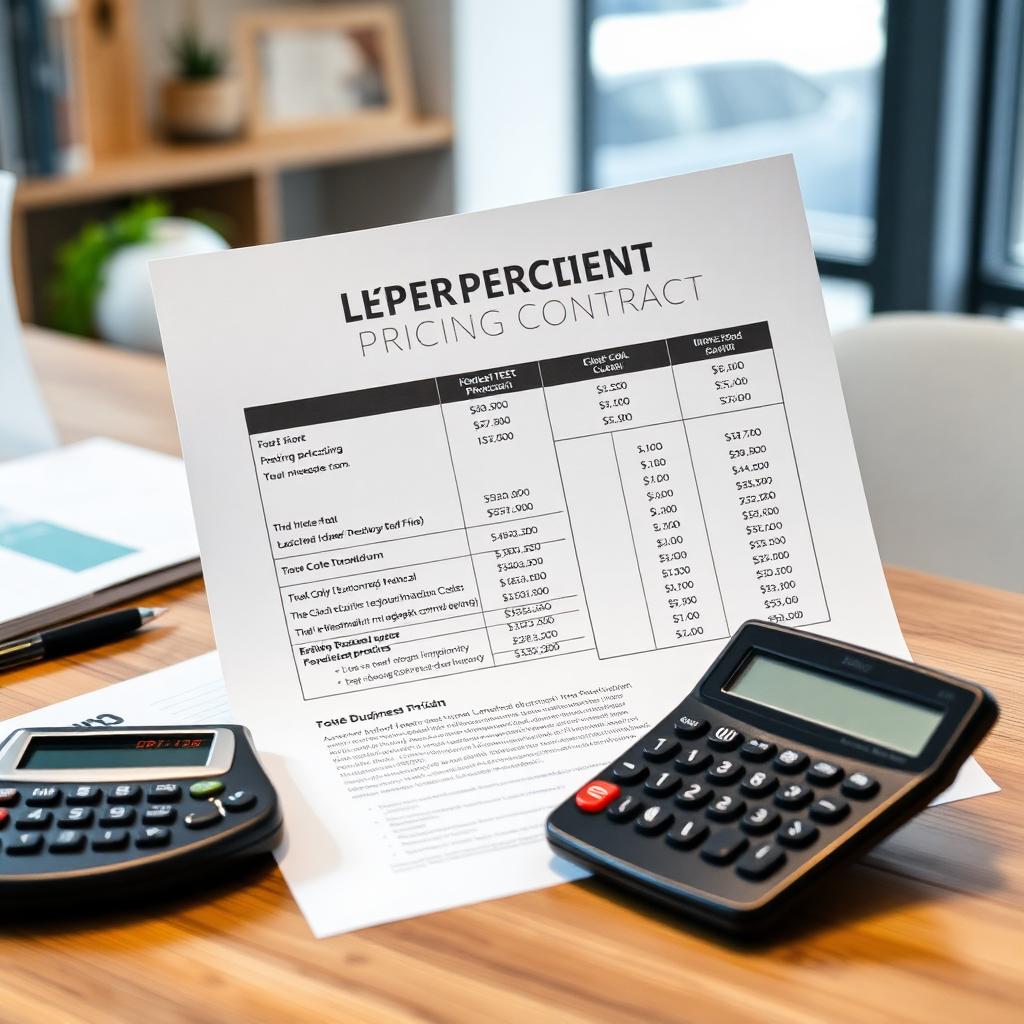
- Detailed rate cards for storage, handling, and projects
- Clear separation between 3PL fees and carrier/material pass-through
- No hidden "handling" lines designed to obscure true margins
- Clear project scoping before work begins whenever possible
This reduces friction and makes planning possible.
And over a 10-year relationship, planning is everything—because long-term partners don't operate on surprises. They operate on forecasting, budgeting, and shared assumptions.
Ethical transparency: telling the truth when things go wrong
In every logistics operation, something eventually goes wrong.
Our commitments are simple:
- We will tell you what happened in plain language
- We will show you the data and photos
- We will propose corrective actions with specific steps and deadlines
- We will not hide behind vague excuses or blame "the carrier" for everything
This is where long-term trust is actually built.
Not by claiming perfection—but by proving reliability in how we respond.
Transparency creates compounding rewards over 10+ years
Long-term relationships create a flywheel that most brands never experience with 3PLs:
- Training gets faster because the system is stable
- Errors drop because process improvements accumulate
- Support tickets shrink because packaging and workflows get refined
- Peak seasons get easier because forecasting becomes more accurate
- Product launches improve because we can collaborate earlier in the lifecycle
Transparency is the fuel for that flywheel. Without it, every year resets to zero.
With it, every year gets better.
How this contrasts with the standard 3PL playbook
Standard pattern
- Minimal reporting
- Delayed responses to audit or data requests
- Constant confusion about what is included in fees
- "Trust us" language with little visibility
- Surprise subcontracting and unclear accountability
Our pattern at Black River Logistics
- Open data channels
- Written answers
- Documented SOPs and clear workflows
- Clarity up front, not after conflict
- A relationship model built to last a decade—not just a contract term
Quick FAQ
Does transparency mean you never make mistakes?
No. It means you see them, understand them, and watch them get fixed—without the fog, delays, or spin that destroy trust.
Can transparency be one-sided?
No. We expect brands to be equally honest about forecasts, product changes, vendor constraints, and internal realities. The best 10-year partnerships are built on shared truth, not optimistic guessing.
Why emphasize 10+ years?
Because continuity is a competitive advantage. When your fulfillment operation becomes stable, predictable, and improving year over year, you spend less time firefighting—and more time building your business.
Ready for a transparent partnership? Contact us to start the conversation.