Inclusive Employment in High-Volume, High-Pressure Environments (Without Burning People Out)
E-commerce doesn't slow down for anyone. Peaks, drops, and campaigns happen whether your workforce is inclusive or not.
The difference is how you plan for them—and how you build capacity without turning people into consumables.
Our model is simple: design the system to match human limits, then scale using process, distributed capacity, and equipment placed where it creates leverage.
Planning labor for peak seasons without abuse
We do not "solve" peak by demanding more speed from the same people.
Instead, we:
- Forecast volume with conservative assumptions.
- Schedule additional shifts and staggered workflows.
- Use buffer capacity across multiple partner sites where possible.
- Turn down or phase-in work if it exceeds safe throughput.
Peak planning is a math problem, not a wish.
A strategic value-add: placing fulfillment equipment inside nonprofit partner buildings
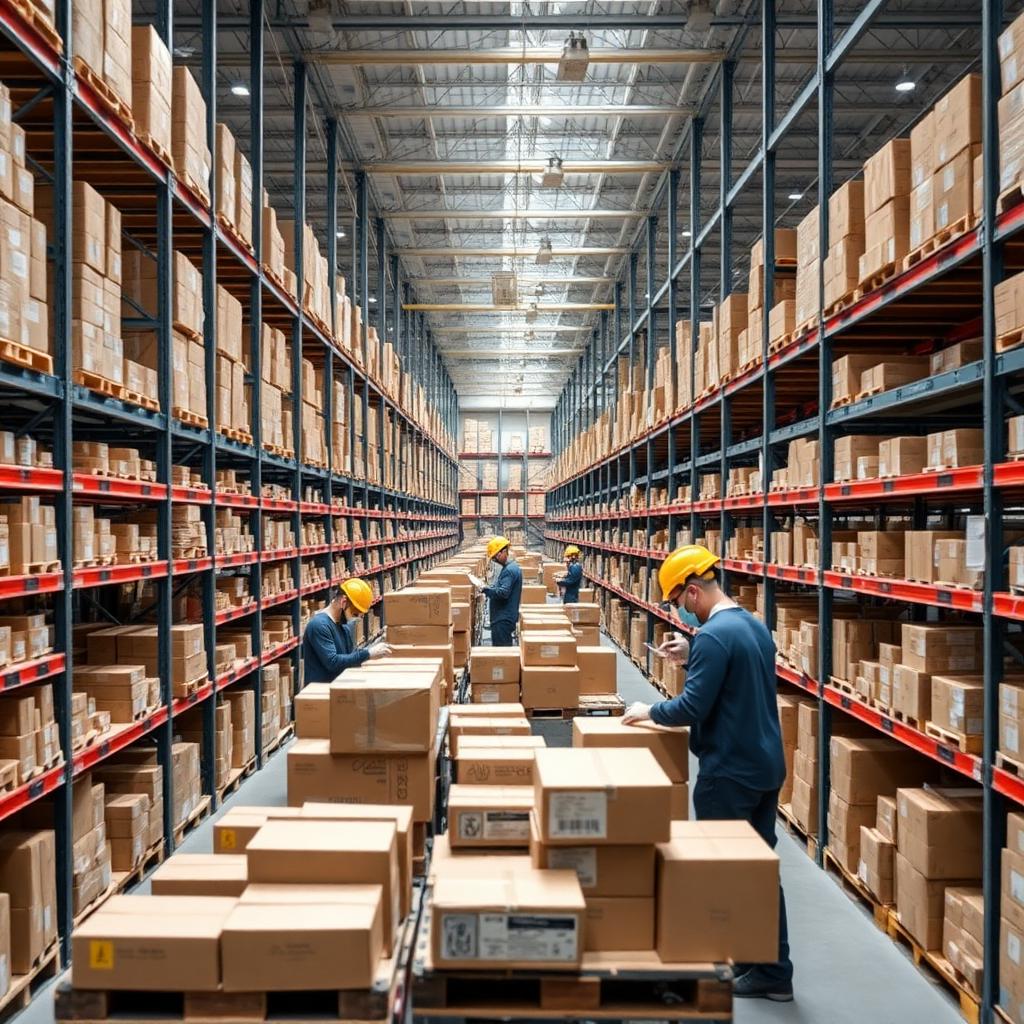
One of the biggest operational advantages of an inclusive model is that you can scale without forcing every peak to be solved inside a single warehouse.
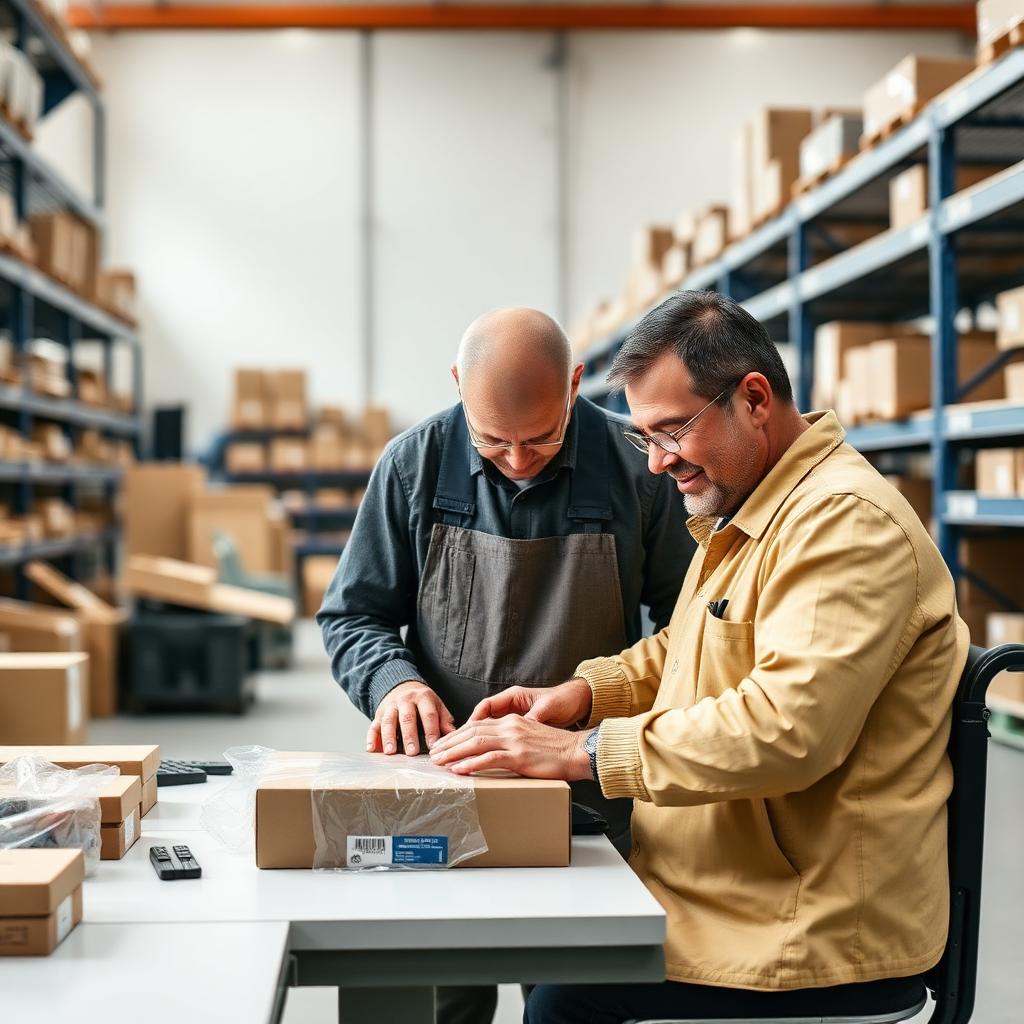
We do that by embedding fulfillment equipment directly inside nonprofit partner facilities—turning partner sites into purpose-built production nodes rather than "overflow labor."
What we place inside partner sites (examples)
- Pack stations and ergonomic workbenches designed for consistent workflows
- Label printers and scan verification to reduce mis-picks and improve traceability
- Scales and dimensioning tools to prevent postage errors and carrier adjustments
- Shelving, totes, carts, and kitting fixtures for repeatable motion and low error rates
- Simple QA stations for counts, seals, and "last touch" accuracy checks
Why it matters for brands
- More capacity without chaos: equipment standardizes work so volume can move to additional sites without reinventing the process.
- Better accuracy under pressure: scanning + verification reduces the "rush mistakes" that cause returns, chargebacks, and support tickets.
- Faster ramp-up: when stations are already in place, adding throughput is scheduling—not construction.
- Less burnout risk: the system does more of the "speed work," so people don't have to.
Why it matters for nonprofit partners
- Real skill-building: partners aren't only doing "busy work." They're operating real, transferable fulfillment processes.
- Safer environments: equipment is chosen to reduce strain, confusion, and fatigue—especially during long runs.
- More stability: standardized stations allow predictable production planning instead of last-minute scramble.
This is not charity. It's operational infrastructure—built to protect people and outcomes at the same time.
Scheduling and task rotation matched to human limits
Workers with disabilities have the same basic needs as everyone else:
- Rest.
- Predictable schedules.
- Tasks that don't damage their bodies.
We rotate tasks to:
- Avoid repetitive strain.
- Balance mentally demanding steps with simpler ones.
- Keep focus high on critical accuracy points.
Rotation isn't a "nice-to-have." It's how you prevent fatigue-driven error spikes—especially in high-volume periods.
Where we deliberately cap volume
There are situations where we say "no" or "not yet":
- Launches that require overnight scaling with no runway.
- Product mixes that demand constant change and re-training.
- Volumes that would require unsafe pace or extreme overtime.
When we cap volume, we protect:
- Workers from burnout.
- Brands from catastrophic failure rates.
- Nonprofit partners from impossible expectations.
Saying "yes" to everything is not customer service—it's how fulfillment companies quietly fail.
Handling mistakes and rework without blame or panic
Mistakes happen in every warehouse.
We respond by:
- Tracing errors back to process, not individuals.
- Updating instructions, labels, or station layout.
- Using rework as training data, not ammunition.
Panic and blame do not ship orders. Systems do.
Quick FAQ
Can an inclusive 3PL handle big product drops or campaigns?
Yes—if there's enough lead time to model capacity, stage inventory, pre-build workflows, and (when needed) activate additional equipped partner stations.
Will you ever say no to work?
Yes. If a campaign cannot be executed safely and reliably within our model, we will not take it.
Contact us to learn how we balance volume and values.