
Building a Supply Chain That Your Legal Team and Your Conscience Can Both Sign Off On
Most brands are forced to choose between what "feels right" and what survives legal review.
Our goal is to make those the same decision.
Mapping responsibility from label/brand down to the packing table
We start by drawing a clear map:
- Brand or label responsibility: product, claims, pricing, and customer communication.
- Our responsibility: inventory custody, fulfillment accuracy, and carrier handoff.
- Nonprofit partners' responsibility: on-site execution under our SOPs and supervision.
This mapping is written into contracts and reflected in day-to-day operations.
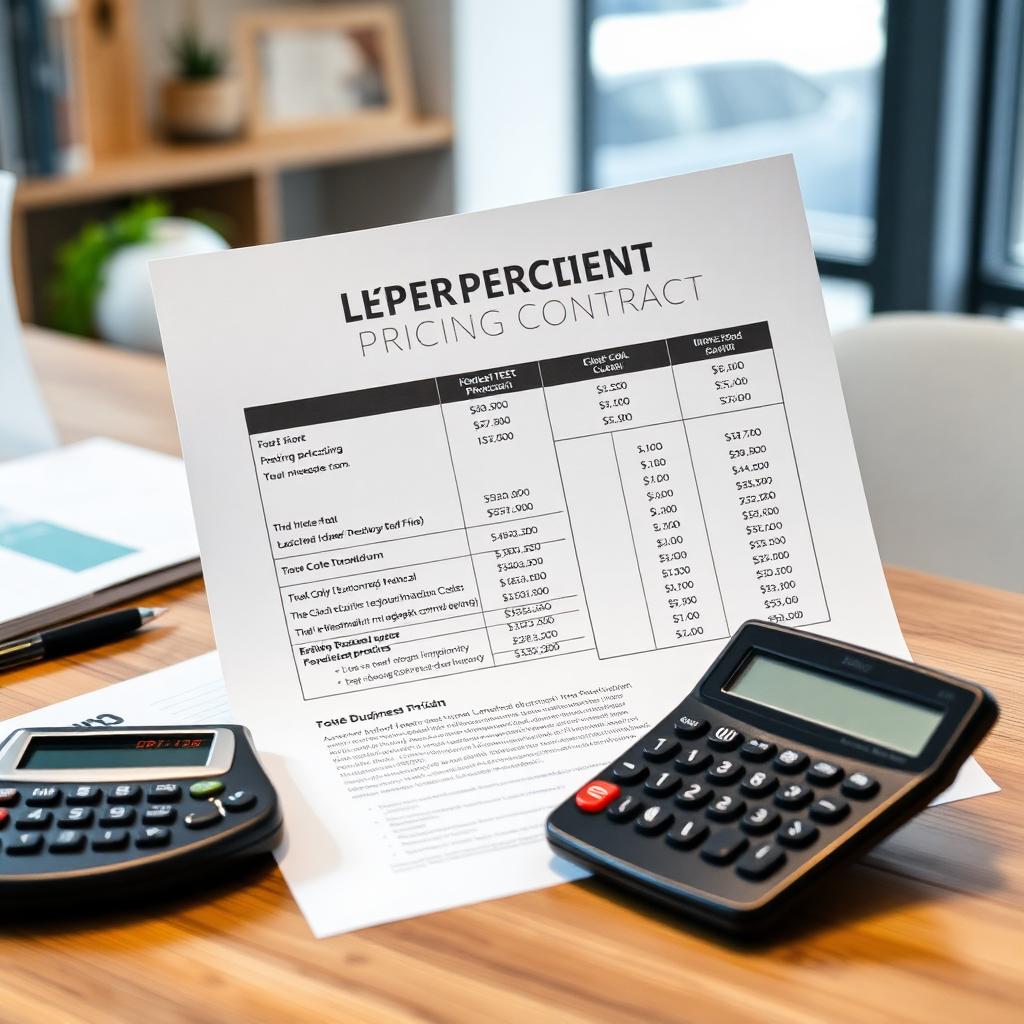
Contracts that align risk, insurance, and indemnity
We:
- Carry appropriate insurance for warehousing, fulfillment, and returns handling.
- Define liability for loss, damage, and errors in clear terms.
- Avoid clauses that pretend risk disappears in legal language.
Your legal team can see who is accountable for what, and under which limits.
Documenting who touched what, when, and under which safeguards
Our WMS and SOPs record:
- Inventory receipts and putaway locations.
- Worker groups or stations involved in each stage.
- Exception handling for damaged or missing items.
If there is a dispute, we have data instead of vague recollection.
How this protects artists, labels, and mission-driven brands
When something goes wrong:
- We can show what happened instead of guessing.
- Insurance claims are better supported.
- Artists and labels are less exposed to accusations of negligence.
Ethics without documentation is a story. Ethics with documentation is a system.
Quick FAQ
Does all this documentation slow down operations?
Properly designed, it becomes part of the workflow and actually reduces confusion and rework.
Is this only for big brands?
No. Small brands benefit even more from clear responsibility because they often cannot absorb large mistakes.
Contact us to learn how we structure partnerships that work for everyone.